Alexander Technique for Musicians
Posture & Psycho-Physical Habits | Individuals & Groups

Resolve pain, reduce tension, & rebuild confidence to enhance peak performance.
Musicians spend their lives practicing, refining, and pushing themselves to be the very best they can be. Their devotion, discipline, and deep commitment to authentic creative expression in the quest for mastery and success requires a dedication rarely matched by other professions.
But over time, bad habits, negative emotions, or physical pain can find a way to limit performance and potential. Even musicians with strong technique and high levels of resilience can develop unwanted psycho-physical patterns which block the path to creative expression and flow.
The Alexander Technique addresses these problems. It resets posture, stability, and balance and teaches you how to gain greater control over your instrument or voice. It reduces and eliminates pain, realigns negative thinking, and reconnects you with the physical and psychological foundations of peak performance.
Many musicians believe that accepting and pushing through pain, tension, or stress is the only answer.
Thankfully, there’s a better way …



I’ve spent my entire life in music. I bring deep first-hand knowledge to my work, and understand the importance of maintaining ourselves physically and mentally so we can perform at our very best.
I’ve sung in choirs and vocal ensembles, given solo recitals in the U.S. and abroad, and conducted choirs. I’ve taught music to elementary age children in public and private schools and taught voice to adults.
I became a certified Alexander Technique teacher in 2016.
Nothing gives me greater pleasure than helping musicians improve their music-making and attain their goals.
Hi, I'm Sandra.
The Alexander Technique is a holistic method of postural education that teaches musicians how to move naturally, avoid pain, injury and tension, and perform with greater ease and efficiency.
The Technique was developed in the 1890s by F. Mathias Alexander, an Australian actor whose chronic hoarseness ended his oratory career. Frustrated by the inability of physicians to resolve his vocal problems, he took matters into his own hands and spent three years carefully observing his posture in mirrors. Alexander’s discoveries about posture led to the development of a neuromuscular educational process so profound that ethologist Nikolaas Tinbergen devoted a significant part of his 1973 Nobel Prize acceptance speech to praising its depth and power. Many major music schools, including the Julliard School of Performing Arts, the Royal College of Music, the San Francisco Conservatory of Music, and many others include it in their curricula because of its reputation for teaching performers how to prevent injury and improve performance.
The Alexander Technique differs from physical therapy or other modalities because it is an educational method as opposed to body work, integrates the brain and the body, and works with the whole person every step of the way.
Musicians who work with me experience positive changes in various ways:
Resets posture, stability, and balance.
Reduces or eliminates pain caused by postural misuse.
Teaches you how to gain greater control over your instrument or voice.
Calms negative thinking.
Reconnects you with the physical and psychological foundations of peak performance.
Strengthens the integration of body and mind.
What is the Alexander Technique?
How Do We Work Together?
What Are The Benefits of Alexander Technique?
We work together as a team. Your questions, input and collaboration are important, and will help me home in on your needs, preferred learning style, and goals during our lessons.
Our journey begins with a conversation (consultation) to become acquainted and talk about the needs, concerns, issues or priorities you’d like to address. I’ll briefly describe the Alexander Technique and answer any questions you may have before we meet.
Our first lesson begins with observation. I’ll ask you to do a few simple things (stand, sit, walk, etc.) so I can see how you move and discern what to focus on. This may include watching you play your instrument or sing.
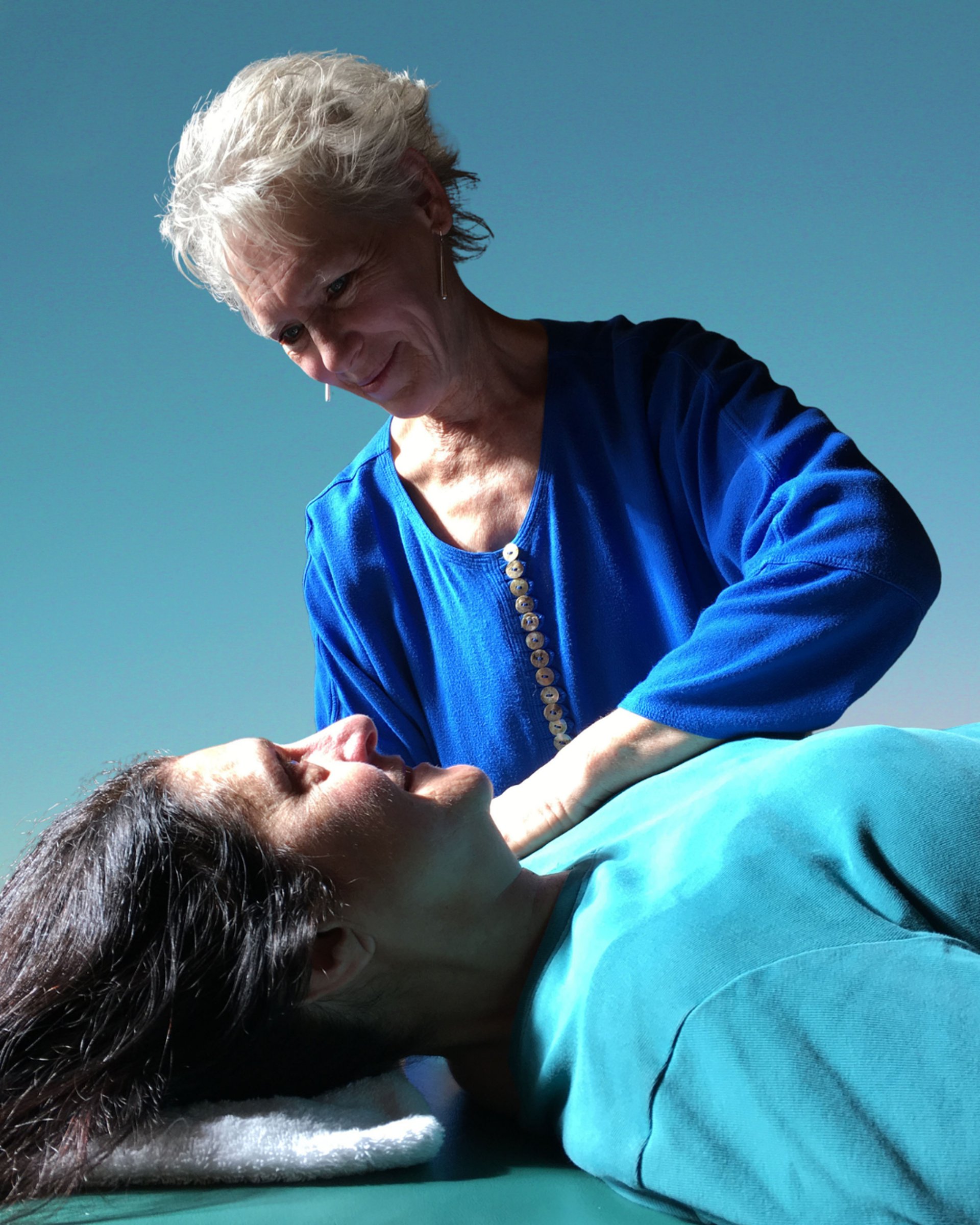
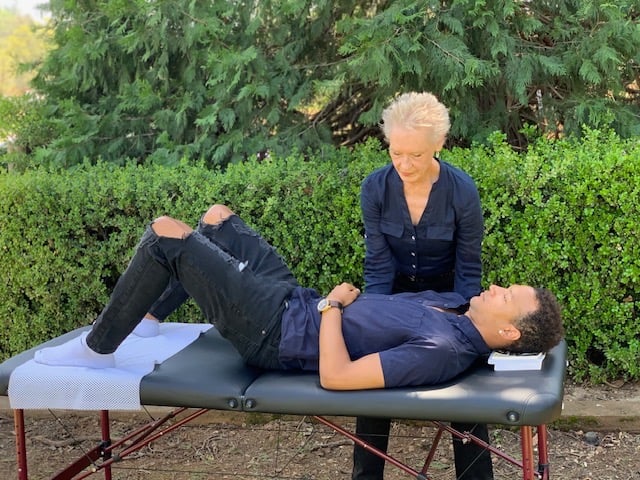
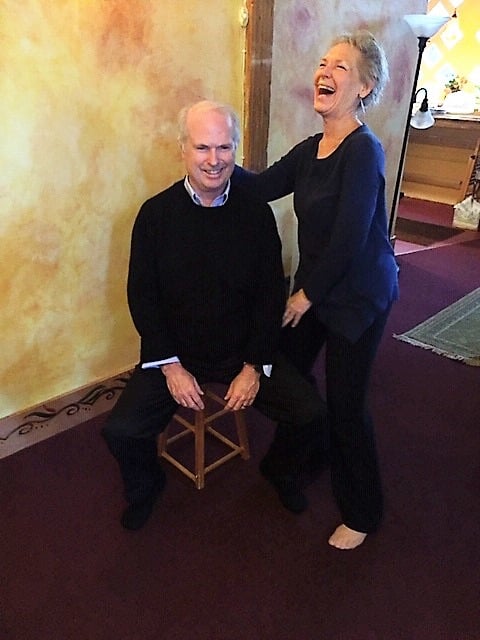
In our lessons you’ll learn how to move well in a variety of ways. These include verbal instruction, subtle, hands-on Alexander Technique touch methods, and “table work” (lying fully clothed on your back on a massage table), where you can practice moving and thinking without the constraint of gravity.
My teaching style is warm, positive, intuitive, and technically grounded. I believe minds and muscles learn best when lightness and humor are part of the experience and bring these qualities into my work.
Individual sessions typically last 60 minutes, whether online or in person. In-person lessons may take place at my home or at one of the venues where I teach—typically within a 25-mile radius from Austin. When I am in California, I teach in the San Francisco Bay area and in Los Angeles.
It all starts with a simple conversation.
Can You Tell Me More About You?
My introduction to the Alexander Technique began in 1985 during a voice lesson when my teacher suddenly exclaimed, “I can’t do anything with that jaw of yours! You need the Alexander Technique!" I took her advice. That decision changed the trajectory of my life.
I qualified as an Alexander Technique teacher through AmSAT in 2016, and have taught the Alexander Technique in private lessons, workshops, classes and given keynote presentations to people from diverse backgrounds, including music, technology, the military, educational institutions, religious institutions, and corporations (Google.)
How many lessons will I need?
Discerning the number of lessons you need depends on several factors: the nature and depth of the problems you want to address, the time commitment you are able to make, and your resources.
Do I need to bring my instrument?
Depending on the context or venue, students are encouraged to bring their instruments to lessons whenever possible. For students whose instruments are large, such as drummers or organists, arrangements can be arranged for me to come to them.
How often should I have lessons?
Generally, weekly lessons are the norm. In our consultation, other options can be considered, such as multiple lessons within a short timeframe, etc.
How much do you charge?
Fees are discussed in the free consultation session.
FAQ's ...
What My Students Say ...
“Sandra has changed the way I play the violin. I’m much more attuned to areas such as my head, back, legs, and breath, and her teachings have improved my sensitivity to touch and control.”
Steve Tjoa
“I’ve tried a wide number of treatment modalities and providers (chiropractic, massage, ergonomics center, physical therapy, etc) to help alleviate chronic tension and neck/upper thoracic pain. Alexander Technique with Sandra was the only one that addressed the root of the problem."
Leo Chang
"I came to Sandra to fix my alignment and posture, having made little progress in this arena over the past ten years. I’ve already seen a number of benefits from our work, and the impact has gone far beyond my art."
Kevin Cooney
If you're looking to resolve pain and tension so you can play with more confidence and control, I'd love to chat!

© 2026. All rights reserved.